You Were in an Accident—and the Report Blames You
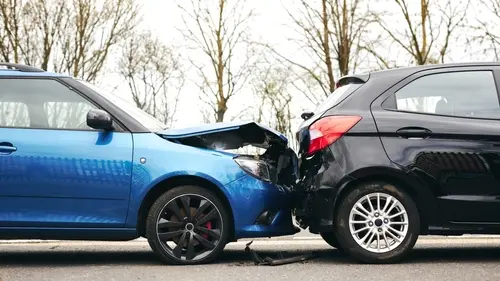
You walk away from a car accident on Peachtree Street, I-285, or a busy Marietta intersection, thinking the facts are clear—only to read the police report and see that fault was assigned to you. That moment can feel overwhelming. When a document that appears official suggests responsibility, many people assume the decision is final under Georgia law, even when the details are incomplete or inaccurate.
In Metro Atlanta collisions—from Buckhead to Decatur, from Roswell Road to Memorial Drive—initial crash summaries are often written quickly, based on limited statements and roadside observations. Officers do their best in fast-moving situations, but a police report is not the final word on fault. It is one piece of evidence. When information is missing, misunderstood, or incorrectly recorded, the result can resemble a false accident report—not necessarily intentional, but still damaging to your position.
Many drivers immediately lose confidence after seeing a fault assigned to them. They may hesitate to seek medical care, question whether they can pursue a liability dispute claim, or assume insurance carriers will automatically deny coverage. In reality, insurers frequently rely on the police report as a starting point—not a legal conclusion. Fault is ultimately evaluated under evidence standards, not just a single narrative summary. When injuries are involved, the stakes are higher. A disputed crash summary can influence how an insurer views responsibility, which in turn affects negotiations. That is why understanding your rights under applicable law is critical. A roadside determination does not override medical evidence, witness statements, vehicle damage analysis, or surveillance footage gathered later.
If you were hurt in a Metro Atlanta crash and the police report places blame on you unfairly, you are not out of options. Hodgins & Kiber, LLC helps injured drivers challenge inaccuracies, correct misleading findings, and pursue fair outcomes—even when the initial report tells the wrong story.
A Police Report Is Important—But It Is Not the Final Word
After a crash, the police report often feels like the final decision on who was at fault. Insurance companies request it immediately, and drivers frequently assume it determines the outcome under Georgia law. In reality, a crash summary is an important document—but it is not a binding legal conclusion.
Officers complete reports based on the information available at the scene. That typically includes:
- Statements from the drivers involved
- Visible vehicle damage
- Road conditions and traffic controls
- Observations of injuries
- Physical evidence, such as skid marks or debris
Because officers usually arrive after the collision has occurred, they must reconstruct events from limited input. If information is incomplete or one party’s version of events dominates the conversation, the final police report may not reflect the full picture. In some cases, inaccuracies can resemble a false accident report, even when no one intended to misstate the facts.
Fault assessments included in the report are often preliminary opinions. They are not final rulings under law, and they do not automatically control a liability dispute claim. Insurance carriers may rely heavily on what is written, but additional evidence—such as witness testimony, vehicle data, or medical documentation—can change how responsibility is evaluated. If the report contains errors or conclusions you disagree with, that does not mean your case is over. Through proper legal channels, findings can be challenged, clarified, or supplemented with stronger evidence.
The Strength of Your Case Comes From Evidence—Not Just One Officer’s Opinion
Seeing fault assigned to you in a police report can feel discouraging, but your case is not defined by a single narrative. Under Georgia law, responsibility is determined by the totality of the evidence—not solely by one officer’s roadside assessment. When a crash summary contains errors or resembles a false accident report, the path forward focuses on building a strong liability dispute claim supported by objective proof. That is where Hodgins & Kiber, LLC concentrates its effort.
Independent witness statements often play a powerful role in reshaping how events are understood. Neutral third parties can clarify timing, traffic movement, and driver behavior in ways that correct or supplement what appears in the initial police report. Their accounts frequently provide balance when one version of events dominated at the scene.
Visual evidence also matters. Photographs, dash camera recordings, surveillance footage, and vehicle damage patterns can reveal impact angles and collision mechanics that contradict assumptions. Even when an officer’s written summary suggests fault, physical evidence may tell a different story. These materials become central to a liability dispute claim, especially when challenging a finding that appears incomplete or inaccurate.
In more complex cases, accident reconstruction specialists and industry experts analyze crash data, vehicle positioning, and roadway factors. Their findings are evaluated under established standards of law, not informal conclusions. When supported by technical analysis, a claim can move beyond what was captured in the original police report and address whether it functioned, in effect, as a false accident report due to missing or misunderstood details.
Insurance Companies Lean Heavily on the Report—Especially When It Blames You
When a crash summary assigns fault to you, insurance adjusters often treat that police report as their starting framework. During the initial evaluation of a claim, insurers frequently rely on the officer’s conclusions to shape negotiations, determine reserve amounts, and assess exposure under the state’s law. While the report carries weight, it is not a final legal determination—yet early assumptions can still influence the direction of a liability dispute claim.
How Insurers Use Fault Conclusions During Claim Review
Insurance carriers typically analyze:
- The fault narrative written in the police report
- Any cited traffic violations
- Statements recorded at the scene
- Diagrams or contributing factors noted by the officer
If the report suggests responsibility on your part, insurers may use that finding as leverage. Even when the summary resembles a false accident report due to incomplete facts, it can temporarily shape how the claim is evaluated. Adjusters often treat the officer’s opinion as persuasive evidence under the law, especially before additional documentation is submitted.
Why Early Blame Can Reduce Settlement Offers
When a fault is assigned early, insurers may reduce settlement ranges before a full investigation occurs. A claim that begins with blame directed at you may be discounted or delayed, particularly in a contested liability dispute claim. This strategy can affect negotiations long before medical records, expert analysis, or independent evidence are reviewed. Early conclusions matter because they influence internal claim assessments. If left unchallenged, the narrative in the original police report can continue shaping discussions—even when stronger evidence later emerges.
Challenging Inaccurate Findings Quickly Makes a Difference
Responding promptly to inaccuracies helps prevent long-term damage to your position. Under Georgia law, responsibility is determined by evidence, not by a single roadside summary. Correcting or supplementing a flawed police report—especially one functioning like a false accident report—can shift the trajectory of negotiations.
Addressing disputed findings early allows your legal strategy to focus on objective proof rather than assumptions. Hodgins & Kiber, LLC works to challenge unsupported fault conclusions, strengthen your liability dispute claim, and ensure insurers evaluate the facts fairly from the outset.
The Record Is Not Frozen—You May Be Able to Correct or Supplement It
Discovering that a police report contains errors can feel final, but it rarely is. Under the state’s laws, crash documentation can sometimes be clarified, amended, or supplemented when important facts were overlooked. If the initial summary reads like a false accident report—whether due to incomplete witness information or misinterpreted statements—you may still have options. The key is understanding how and when to act so your liability dispute claim is not defined by a single version of events.
In certain situations, drivers can request amendments or submit additional documentation for review. This may include:
- Independent witness statements are not available at the scene
- Photographs or video footage that contradict the original narrative
- Medical documentation showing injury patterns inconsistent with the assigned fault
- Vehicle data or expert analysis supporting your account
Providing a written clarification can also help address inaccuracies before insurers fully rely on the original police report. While officers may not always revise their findings, supplemental materials can become part of the broader record. That added context matters when responsibility is evaluated under applicable laws, especially in a contested liability dispute claim.
Timing is critical. Insurance carriers often make early decisions based on what appears in the initial documentation. If a summary functions like a false accident report in practice, delaying corrective action can allow that narrative to shape negotiations. Promptly submitting clarifying evidence strengthens your position and reinforces your legal footing.
Even If You Share Some Fault, Compensation May Still Be Available
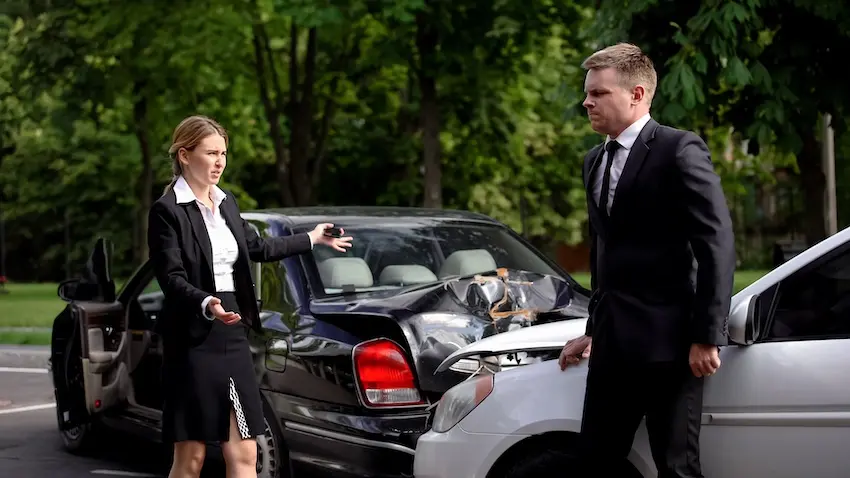
Reading a police report that assigns partial blame can feel like the end of your case. Many people assume that once responsibility is divided, recovery is no longer possible. Under Georgia laws, however, fault is not always all-or-nothing. A finding that resembles a false accident report or overstates your role does not automatically prevent you from pursuing a liability dispute claim.
Georgia follows a modified comparative negligence system. This means compensation can still be available so long as your percentage of fault does not reach the legal threshold that bars recovery. In practical terms, even if an initial police report suggests you contributed to the collision, that conclusion is subject to review. Evidence such as witness accounts, vehicle damage analysis, and expert evaluation may adjust how fault is ultimately calculated under applicable laws.
Being partially blamed does not automatically eliminate your rights. Insurance carriers often rely heavily on the first version of events, especially when it appears clearly stated in the police report. But responsibility is determined by evidence and statutory standards—not by assumption. When a crash summary functions like a false accident report because it overlooks key details, those inaccuracies can be challenged through proper legal channels.
The percentage assigned to each party directly affects compensation. If you are found partially responsible, your recovery may be reduced by that percentage—but not erased. That is why accurately evaluating fault is central to a strong liability dispute claim.
When the Fault Determination Feels Wrong, Your Next Steps Matter
Disagreeing with what appears in the police report can leave you uncertain about what to do next. If the summary assigns blame that does not reflect what truly happened, acting strategically is essential. Under Georgia laws, fault is determined by evidence and statutory standards—not by a single narrative written at the scene. A crash summary that resembles a false accident report can be challenged, but the timing and approach matter.
The priority is gathering independent documentation. Photographs, dashcam footage, surveillance video, vehicle damage patterns, and witness statements can all help reshape a developing liability dispute claim. Medical records and treatment timelines may also contradict assumptions in the original police report, particularly when injury patterns do not align with the assigned fault.
It is equally important to approach insurance communications carefully. Carriers often request recorded statements shortly after reviewing the police report, especially when they believe fault has already been established. Providing a statement without preparation can unintentionally reinforce inaccuracies or make it harder to dispute what appears to be a false accident report. Protecting your position under Georgia laws often means ensuring your account is clear, consistent, and supported by evidence before responding.
Consulting an attorney early can make a measurable difference. A strategic legal response allows evidence to be organized and presented in a way that directly addresses the assigned fault. When insurers rely heavily on the initial police report, a properly developed liability dispute claim can shift negotiations toward a more accurate evaluation of responsibility. If you believe the fault determination is incorrect, you are not required to accept it as final. Hodgins & Kiber, LLC helps clients challenge inaccurate findings, strengthen their legal position, and move forward confidently under the state’s laws.
When Fault Is Assigned to You, Your Attorney Builds the Counter-Narrative
Seeing unfavorable conclusions in a police report can feel discouraging, but it does not define the outcome of your case. Under Georgia laws, responsibility is determined by evidence, statutory standards, and careful analysis—not by a single document prepared at the scene. When a crash summary functions like a false accident report, your attorney’s role is to shift the focus from assumption to proof. At Hodgins & Kiber, LLC, that process begins immediately.
Conducting an Independent Investigation
Rather than relying solely on the initial crash summary, your attorney conducts a parallel review of the facts. This may involve re-examining vehicle damage, securing surveillance footage, reviewing roadway design factors, and identifying witnesses who were not fully considered. If the original police report overlooked key details, those gaps become central to building a stronger liability dispute claim. Independent analysis ensures the case reflects what actually happened—not just what was recorded in the first version of events.
Presenting Evidence to Counter Inaccurate Conclusions
Once evidence is gathered, it must be organized strategically. Photographs, expert assessments, medical documentation, and data from vehicle systems can all contradict conclusions that resemble a false accident report. Presenting this information clearly under established legal standards allows insurers and opposing parties to reassess responsibility under Georgia laws. A properly supported argument reframes the discussion from opinion to objective fact.
Negotiating From a Position of Strength
When a fault is disputed, leverage comes from preparation. Insurers often rely on the initial police report until compelling evidence forces reconsideration. By developing a well-supported liability dispute claim, your attorney creates negotiating power grounded in documentation and analysis. That strategic foundation strengthens your legal position and improves the likelihood of a fair resolution.

Moving Forward After Fault Is Disputed—How Hodgins & Kiber, LLC Protects Your Claim
When a crash on I-285 near Sandy Springs or along Peachtree Road leaves you injured and facing blame, it can feel like the odds are stacked against you. An unfavorable police report may influence early conversations with insurers, especially when fault is questioned. But under Georgia law, your claim is not controlled by one document. What matters is how the evidence is developed, presented, and defended. That is where Hodgins & Kiber, LLC makes a meaningful difference.
Every case begins with a careful review of the accident documentation. This includes examining the initial crash summary, photographs, witness accounts, and any available video footage from nearby businesses or traffic cameras. When a summary resembles a false accident report because of missing context or incomplete statements, those inconsistencies are identified early. A properly structured liability dispute claim focuses on facts that align with roadway conditions, vehicle damage patterns, and injury timelines—not just initial assumptions.
Strategic advocacy also plays a central role. Insurance carriers often rely on the original narrative when evaluating responsibility, particularly in collisions occurring on busy corridors like GA-400, Memorial Drive, or within Fulton and DeKalb Counties. Addressing those conclusions requires clear communication grounded in applicable legal standards. By presenting organized evidence and reinforcing your position under Georgia law, your attorney shifts negotiations toward a more balanced assessment.
Even when the fault is disputed, fair compensation may still be available. Comparative negligence principles allow injured individuals to pursue recovery despite shared responsibility, provided the evidence supports their position. Hodgins & Kiber, LLC works to ensure that your claim reflects the full story—whether the crash occurred near Piedmont Park, along Cobb Parkway, or at a neighborhood intersection in Roswell. If you are facing blame after a Metro Atlanta collision, you do not have to accept the first version of events. Contact Hodgins & Kiber, LLC at (404) 975-1467 to protect your rights, challenge inaccuracies in the police report, and pursue compensation with a strategy built on evidence and Georgia law.