Understanding Partial Fault After a Metro Atlanta Car Accident
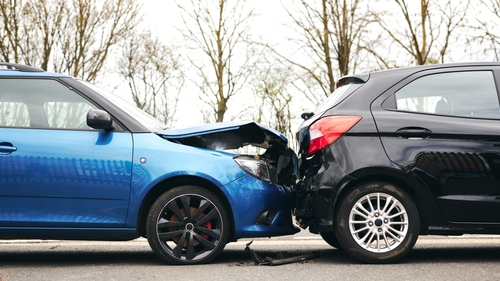
Being told you are partially at fault after a crash can be confusing and stressful, especially when you are already dealing with injuries, vehicle repairs, and time away from work. Across the Metro Atlanta area—from busy corridors like I-285 and I-75 to surface streets in neighborhoods such as Buckhead, Decatur, or Sandy Springs—motor vehicle accidents often happen quickly and under complex circumstances. In the aftermath, fault is not always clear, and uncertainty about responsibility can add another layer of pressure.
Fault determinations play a direct role in how compensation is handled. When an insurance company believes more than one party contributed to a collision, it may reduce or challenge payment based on its interpretation of events. These liability disputes often involve competing accounts, accident reports, and assumptions about driver behavior. Even when another driver was clearly careless, being labeled partially responsible can significantly affect how a claim is evaluated and resolved.
This is where experienced legal guidance matters. Hodgins & Kiber, LLC, helps clients throughout the Atlanta metro area address unfair or inaccurate fault assessments. By reviewing evidence, questioning insurer conclusions, and pushing back against improper blame, the firm works to protect clients from being held partially at fault without justification. Their approach focuses on clarity, advocacy, and ensuring fault determinations are based on facts—not assumptions—so clients can pursue the compensation they deserve after motor vehicle accidents.

What “Partially at Fault” Means in an Accident Claim
After motor vehicle accidents, the phrase “partially at fault” is often used by insurers to describe situations where more than one driver may share responsibility for a collision. In simple terms, a partial fault means an insurance company believes multiple factors or actions contributed to the crash, rather than placing all responsibility on a single driver. This commonly arises after accidents on busy Atlanta roadways like I-285, I-20, or local corridors running through areas such as Midtown, East Atlanta, or Smyrna, where traffic patterns and split-second decisions can complicate fault analysis.
A partial fault is different from a full fault. Full fault suggests one driver caused the accident outright, while partial fault reflects shared responsibility based on how each party allegedly acted before impact. For example, an insurer may argue one driver was speeding while another failed to yield, leading to liability disputes over how blame should be divided. These distinctions matter because even a small fault percentage can affect how a claim is evaluated.
To assign fault percentages, an insurance company typically reviews police reports, vehicle damage, witness statements, and sometimes traffic camera footage. In Metro Atlanta crashes—from Buckhead surface streets to highways near Cobb or DeKalb County—these reviews are often subjective and open to interpretation. Hodgins & Kiber, LLC, helps clients understand how partial fault determinations are made and challenge conclusions that unfairly assign blame after motor vehicle accidents.
How Fault Is Determined After an Accident
Determining who is partially at fault after a crash is rarely straightforward. In Metro Atlanta—where motor vehicle accidents occur daily on interstates like I-75, I-85, and I-285, as well as local roads through neighborhoods such as Buckhead, Decatur, and Sandy Springs—fault assessments often involve multiple layers of review. These determinations can quickly lead to liability disputes, especially when an insurance company relies on incomplete or subjective information.
Role of Police Reports and Citations
Police reports are often one of the first pieces of evidence reviewed after an accident. Officers responding to crashes in Fulton, Cobb, or DeKalb County document scene conditions, vehicle positions, and any citations issued. While these reports can be influential, they are not always definitive. A citation does not automatically mean one driver is fully responsible, and reports may be based on limited observations made after the fact.
Witness Statements and Physical Evidence
Witness accounts and physical evidence frequently play a significant role in fault analysis. Statements from bystanders, passengers, or nearby drivers can support or contradict initial assumptions. Physical evidence—such as skid marks, vehicle damage patterns, and debris location—may help reconstruct how the collision occurred. In complex motor vehicle accidents, especially at busy intersections or congested corridors, this evidence can point to shared responsibility and fuel disagreements over who was partially at fault.
Insurance Adjuster Investigations
After reviewing initial documentation, the insurance company conducts its own investigation. Adjusters analyze reports, photographs, recorded statements, and repair estimates to assign fault percentages. These internal reviews are often guided by company policies and cost considerations, which can influence outcomes. As a result, drivers may find themselves facing unexpected fault assignments that reduce or challenge compensation.
Why Fault Is Often Disputed
Fault is frequently disputed because accidents involve competing narratives and interpretations. Drivers, witnesses, police officers, and insurers may all view the same event differently. These disagreements are at the heart of many liability disputes in the Atlanta metro area. Hodgins & Kiber, LLC, helps clients challenge unfair conclusions by examining evidence closely and pushing back when fault determinations do not accurately reflect what happened.
How Being Partially at Fault Affects Compensation
Being found partially at fault can directly influence how compensation is calculated after motor vehicle accidents across the Metro Atlanta area. From collisions on I-20 near East Atlanta to crashes along GA-400 or surface streets in Midtown and Roswell, insurers often apply fault percentages to determine how much they are willing to pay. Understanding how this process works helps injured drivers better anticipate how a claim may unfold.
When fault is shared, compensation is typically reduced in proportion to the assigned percentage. For example, if an insurance company determines a driver is 20 percent responsible for a crash, any damages may be reduced by that same amount. These reductions are common in liability disputes, especially when insurers argue that speed, distraction, or lane positioning contributed to the incident. Even relatively small fault allocations can noticeably change the value of a claim.
Settlement outcomes can vary widely depending on how fault is applied. In some cases, insurers may initially assign a higher percentage of blame to limit payouts, particularly after accidents on congested corridors like I-285 or local roads in Cobb or DeKalb County. Challenging these assumptions can make a meaningful difference in how compensation is calculated.
Importantly, being partially at fault does not automatically eliminate the possibility of recovery. Many claims still move forward successfully when evidence supports shared responsibility rather than sole blame. Hodgins & Kiber, LLC, works with clients throughout the Atlanta metro area to address unfair fault allocations, push back against insurer conclusions, and pursue compensation that more accurately reflects what happened during motor vehicle accidents.
Common Reasons Insurance Companies Claim Partial Fault
After motor vehicle accidents, it is common for an insurance company to look for ways to argue that more than one driver contributed to the collision. In the Metro Atlanta area—whether crashes occur on I-75 through Marietta, GA-400 near Buckhead, or busy surface streets in Decatur or Smyrna—insurers often raise partial fault arguments as part of broader liability disputes. Understanding these tactics helps drivers recognize when fault assessments may be overstated or unfair.
One frequent claim involves alleged speeding or distracted driving. Insurers may suggest a driver was traveling too fast for conditions or was briefly distracted, even without clear evidence. These arguments are often raised after rear-end or lane-change collisions on congested routes like I-285, where traffic patterns shift quickly.
Failure to yield or follow traffic laws is another common basis for assigning blame. At intersections throughout Fulton, Cobb, and DeKalb counties, insurers may argue a driver misjudged a turn, merge, or right-of-way, leading to a finding that they were partially at fault, even when another driver’s actions were the primary cause.
Disputed accident timelines also play a role. Conflicting accounts about who entered an intersection first or how quickly events unfolded can give insurers room to question responsibility. In addition, statements made by drivers—often given shortly after a crash—may be taken out of context and used to support partial fault arguments.
Because these conclusions are not always accurate, Hodgins & Kiber, LLC helps clients challenge unsupported assumptions, clarify facts, and push back against improper blame during liability disputes involving motor vehicle accidents.

Insurance Tactics Used to Shift Blame
After motor vehicle accidents, it is not unusual for an insurance company to focus on reducing its financial exposure rather than fairly assessing what happened. Across the Metro Atlanta area—from crashes on I-285 near Sandy Springs to collisions along I-20 in East Atlanta or GA-400 near Buckhead—insurers often use specific tactics to argue that a driver was partially at fault. Recognizing these strategies can help claimants better understand why liability disputes arise and how they can be addressed.
One common tactic involves increasing a claimant’s share of fault to minimize payouts. By assigning a higher percentage of responsibility, insurers can justify lowering compensation even when another driver’s actions were the primary cause. This approach is frequently seen in congested traffic situations, where insurers argue that speed, spacing, or reaction time contributed to the crash.
Selective use of evidence is another method insurers rely on. Adjusters may highlight certain statements, photographs, or portions of a police report while ignoring information that supports the claimant’s position. In complex motor vehicle accidents on busy corridors through Fulton, Cobb, or DeKalb County, incomplete evidence reviews can lead to misleading conclusions about who was partially at fault.
Insurers may also pressure claimants to accept reduced settlements quickly. Early offers are sometimes framed as the best or only option, especially when fault is disputed. Understanding these tactics and seeking experienced guidance can make a meaningful difference. Hodgins & Kiber, LLC, helps clients push back against unfair blame-shifting and navigate liability disputes with clarity and confidence.
What You Should Do If an Insurer Says You’re Partially at Fault
Being told you are partially at fault after a crash can be unsettling, but the steps you take next can strongly influence how your claim moves forward. Following motor vehicle accidents across Metro Atlanta—whether on I-75 near Marietta, I-285 around Sandy Springs, or surface streets in neighborhoods like East Atlanta or Decatur—early decisions often shape how liability disputes are resolved. A calm, informed response helps protect your position.
One of the most important steps is avoiding admissions of fault or recorded statements. An insurance company may request a statement shortly after the accident, but comments made under stress can be misinterpreted or taken out of context. Even casual remarks can later be used to support a partial fault argument, so it is wise to pause before responding.
Preserving evidence and documentation is equally important. Photographs, medical records, repair estimates, and witness information help establish what actually happened. In busy corridors through Fulton, Cobb, or DeKalb County, this documentation can counter assumptions made during fault assessments.
You may also request a review of the fault determination. Insurers rely on internal evaluations that are not always final or complete. Asking for reconsideration, especially when new evidence is available, can shift how responsibility is viewed.
Contacting an attorney promptly provides clarity and support. Hodgins & Kiber, LLC, helps clients throughout the Atlanta metro area respond strategically when accused of being partially at fault, challenge unfair conclusions, and navigate liability disputes with confidence after motor vehicle accidents.
How a Lawyer Can Challenge a Partial Fault Finding
When an insurance company claims you are partially at fault, that determination is not always final or accurate. After motor vehicle accidents in the Metro Atlanta area—whether on I-85 near Doraville, I-20 through East Atlanta, or local roads in communities like Roswell, Smyrna, or College Park—legal guidance can play a critical role in addressing liability disputes. An experienced attorney helps ensure fault assessments are based on evidence, not assumptions.
A lawyer may challenge a partial fault finding by:
- Re-examining evidence and accident reconstruction, including police reports, vehicle damage, roadway conditions, and traffic patterns. In complex crashes on corridors like I-285 or GA-400, a closer review can reveal factors that were overlooked or misinterpreted during the initial investigation.
- Negotiating with insurance companies to push back against inflated fault percentages. Insurers often rely on internal evaluations, and skilled negotiation can correct conclusions that unfairly label a driver as partially at fault.
- Protecting your right to fair compensation by ensuring medical records, witness statements, and supporting documentation are properly presented. This is especially important when shared fault is used to justify reduced payments.
- Preparing for litigation if necessary, which can strengthen a negotiating position. When insurers know a case is supported by evidence and ready for court, settlement discussions often shift.
Hodgins & Kiber, LLC assists clients throughout the Atlanta metro area by challenging improper fault determinations and navigating liability disputes with a focus on fairness and clarity after motor vehicle accidents.
Why Choose Hodgins & Kiber, LLC
When fault is questioned after a crash, choosing the right legal team can make a meaningful difference in how a claim is resolved. In the Metro Atlanta area—where traffic incidents occur daily on routes like I-285, I-75, and GA-400, as well as neighborhood streets in places such as Buckhead, Decatur, and Sandy Springs—cases involving shared responsibility often require careful strategy and attention to detail. Hodgins & Kiber, LLC brings focused experience to situations where liability is disputed, and clarity is essential.
The firm has a strong background in handling cases where responsibility is challenged or unfairly shifted. This experience allows the team to identify weaknesses in insurer conclusions, analyze evidence closely, and respond effectively when fault assessments do not align with the facts. Their approach is rooted in preparation and a clear understanding of how disputed responsibility affects outcomes after motor vehicle incidents.
Clients also benefit from a strategic, client-focused style of representation. Communication, transparency, and practical guidance remain priorities throughout the process. Whether a case involves negotiations or requires a more formal legal response, Hodgins & Kiber, LLC tailors their approach to the client’s specific circumstances.
With strong negotiation skills and readiness for litigation when needed, the firm remains committed to protecting clients’ financial recovery. Their goal is to ensure that questions of fault do not prevent individuals from pursuing fair results when liability is contested.

Moving Forward After a Partial Fault Determination
Being labeled partially at fault after a collision does not automatically define the outcome of a claim. In the aftermath of motor vehicle accidents throughout Metro Atlanta—whether on I-20 near East Atlanta, I-75 through Marietta, or local streets in neighborhoods like Decatur or Smyrna—fault assessments are often based on incomplete or preliminary information. Understanding how responsibility is evaluated helps clarify why these determinations can be challenged rather than simply accepted.
It is important to remember that an insurance company’s interpretation of events is not always final. Insurers may rely on internal reviews, selective evidence, or assumptions that do not fully reflect what occurred. When liability disputes arise, asking questions, preserving documentation, and seeking a second look can change how responsibility is viewed and how a claim is handled.
If you have been told you share blame for an accident, you do not have to navigate the situation alone. Hodgins & Kiber, LLC, helps clients across the Atlanta metro area review fault determinations, push back against unfair conclusions, and pursue outcomes grounded in facts. Contact Hodgins & Kiber, LLC today to schedule a consultation at (404) 975-1467 and gain clarity on your options after an accident.